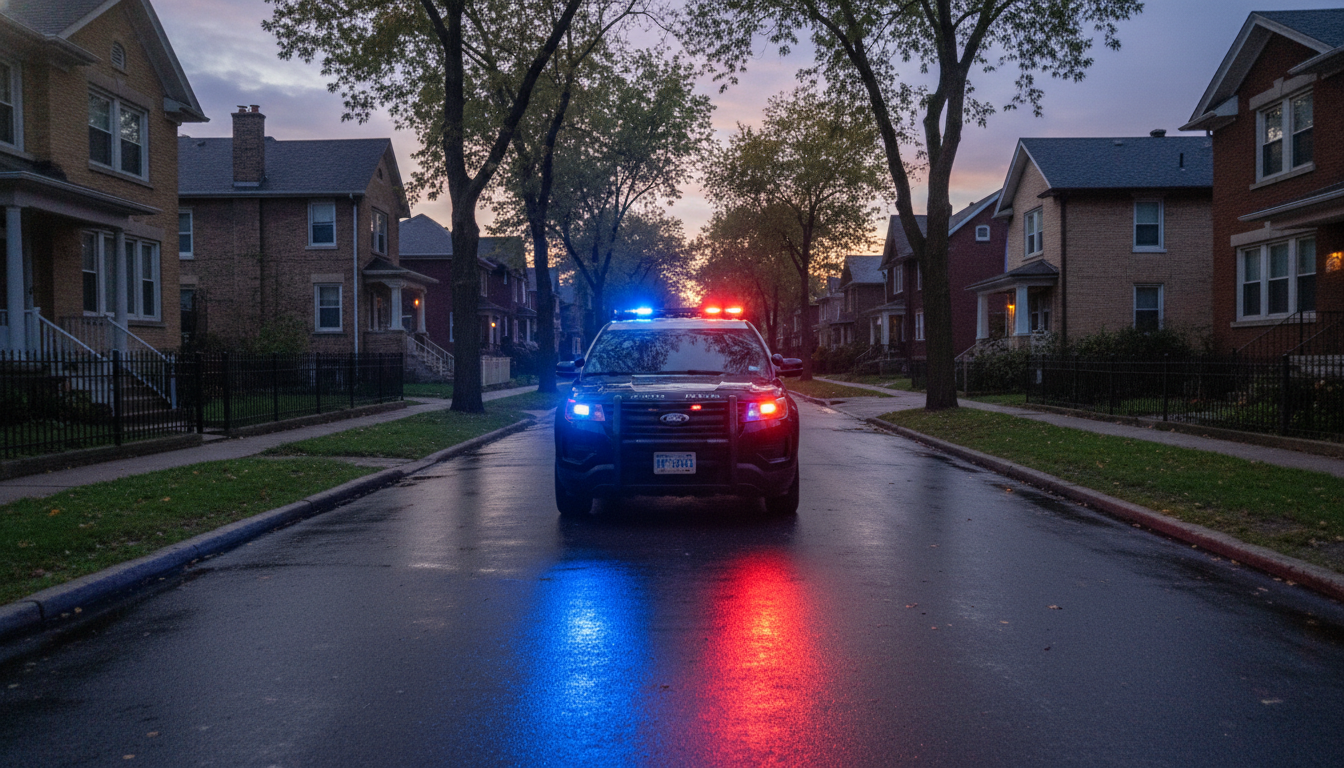
Michigan Attorney General Dana Nessel has issued a formal alert to residents and law enforcement agencies across the state regarding the increasing frequency of “swatting” incidents. This dangerous form of cybercrime involves making fraudulent emergency calls to draw a massive, armed police response—often including SWAT teams—to a specific location under the guise of a life-threatening crisis.
The warning comes as Michigan, and specifically the Detroit metropolitan area, sees a rise in these malicious hoaxes targeting schools, residential neighborhoods, and public officials. According to the Michigan Department of Attorney General, these incidents are not merely harmless pranks but represent a significant threat to public safety and a massive drain on municipal resources.
Understanding the Mechanics of Swatting
Swatting occurs when an individual contacts emergency services—usually via 911 or local dispatch—and reports a fabricated violent crime in progress, such as a hostage situation, an active shooter, or a bomb threat. The goal is to deceive dispatchers into sending the highest level of police response to the victim’s address.
“Swatting is a serious crime that puts innocent residents and our first responders at risk,” Attorney General Nessel stated in a public release. The Attorney General’s office noted that perpetrators often use sophisticated technology, including caller ID spoofing and proxy servers, to hide their identities and locations, making these crimes difficult to track and prosecute in real-time.
Data from the FBI’s Internet Crime Complaint Center (IC3) indicates that swatting has evolved from a niche harassment tactic in the gaming community into a broader tool for political intimidation and domestic harassment. The Michigan Attorney General’s office is now working closely with federal partners to address the cross-jurisdictional nature of these digital threats.
Impact on Detroit Residents and Emergency Response
For the City of Detroit, where emergency response times are a critical focus of the Detroit Police Department’s latest technological upgrades, swatting represents a unique danger. When a high-priority tactical team is diverted to a false alarm, it leaves actual emergencies underserved.
Local law enforcement officials in Detroit have expressed concern that these incidents cause unnecessary trauma to residents. When officers arrive at a scene expecting a violent confrontation, the potential for accidental injury or use of force against an unsuspecting homeowner is heightened. Furthermore, the psychological impact on neighborhoods can be lasting, as communities deal with the aftermath of high-intensity police activity.
“Our officers are trained to treat every call as a real-time threat until proven otherwise,” a spokesperson for local public safety advocates noted. “When that trust is exploited by a swatter, it places the entire community in jeopardy. The strain on the emergency response system in a city like Detroit can be felt across several precincts simultaneously.”
Legal Consequences and Legislative Action
Under current Michigan law, the penalties for swatting are severe. According to the Michigan Penal Code (750.411a), any individual who intentionally makes a false report of a crime can face felony charges, especially if the response results in physical injury or death. Depending on the severity of the outcome, a conviction can lead to years in prison and thousands of dollars in fines and restitution to the responding agencies.
Attorney General Nessel has emphasized that her office will pursue the maximum allowed penalties for those caught engaging in this behavior. There is also ongoing discussion in Lansing regarding Michigan legislative updates that would specifically categorize swatting as a distinct felony with mandatory restitution for the costs incurred by emergency services during the response.
According to official records from the Michigan Department of Attorney General, these restitution costs can range from a few thousand dollars to tens of thousands per incident, covering fuel, personnel hours, and the deployment of specialized equipment.
Background and Statistical Trends
National trends suggest that swatting is no longer an isolated phenomenon. While schools have historically been the primary targets, there has been a notable shift toward private residences and government buildings. In 2023, the FBI announced the creation of a national database to track swatting incidents more accurately, as many local departments do not have a specific reporting code for these events, often filing them under “false report” or “harassment.”
The Attorney General’s office suggests that the anonymity provided by the internet has emboldened individuals to engage in these activities from outside state lines. However, modern digital forensics are catching up. State police units specializing in cybercrime are now better equipped to trace the digital breadcrumbs left by callers, even when they use encryption or VPNs.
What Happens Next: Protecting the Community
The Michigan Attorney General is urging the public to stay informed and report any suspicious online behavior that may indicate a swatting plot is being organized. Public safety remains the top priority, and residents are encouraged to maintain open lines of communication with their local precincts.
For those who may be victims of swatting, Nessel suggests contacting local law enforcement to discuss potential threats if they believe they are being targeted for harassment. Some jurisdictions have explored creating a “No-Swat” registry for high-profile individuals or those who have been previously targeted, though no such statewide system currently exists in Michigan.
As the state moves forward, the focus remains on deterrence through prosecution and public education. The Michigan Attorney General’s office has committed to continuing its collaboration with school districts and local governments to ensure that dispatchers are trained to recognize the signs of a potential hoax without compromising the safety of their response.